A Place Built For You
Lego therapy (also called Lego-based therapy or the Brick by Brick programmes) is a structured, evidence-based intervention that uses collaborative Lego building to develop social skills, communication and emotional regulation.
It was developed by clinical neuropsychologist Dr Daniel LeGoff in the early 2000s and has since been studied and implemented across psychology, education and occupational therapy settings worldwide
What Is Lego Therapy?
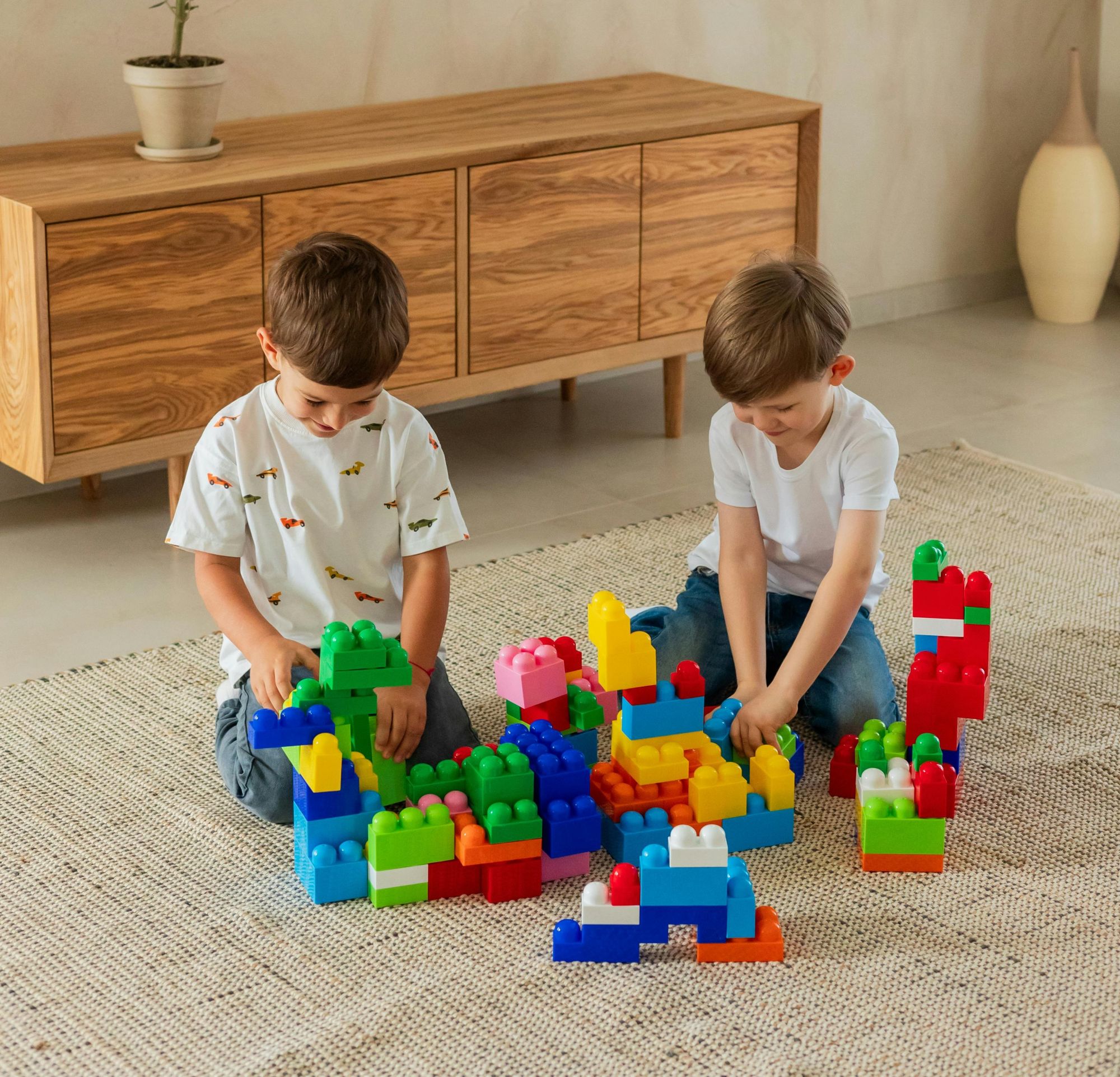
Lego-based therapy is not a craft activity and it’s not free play. It is a type of play therapy. It’s a structured social skills programme built around a specific set of roles that children take turns performing within a group.
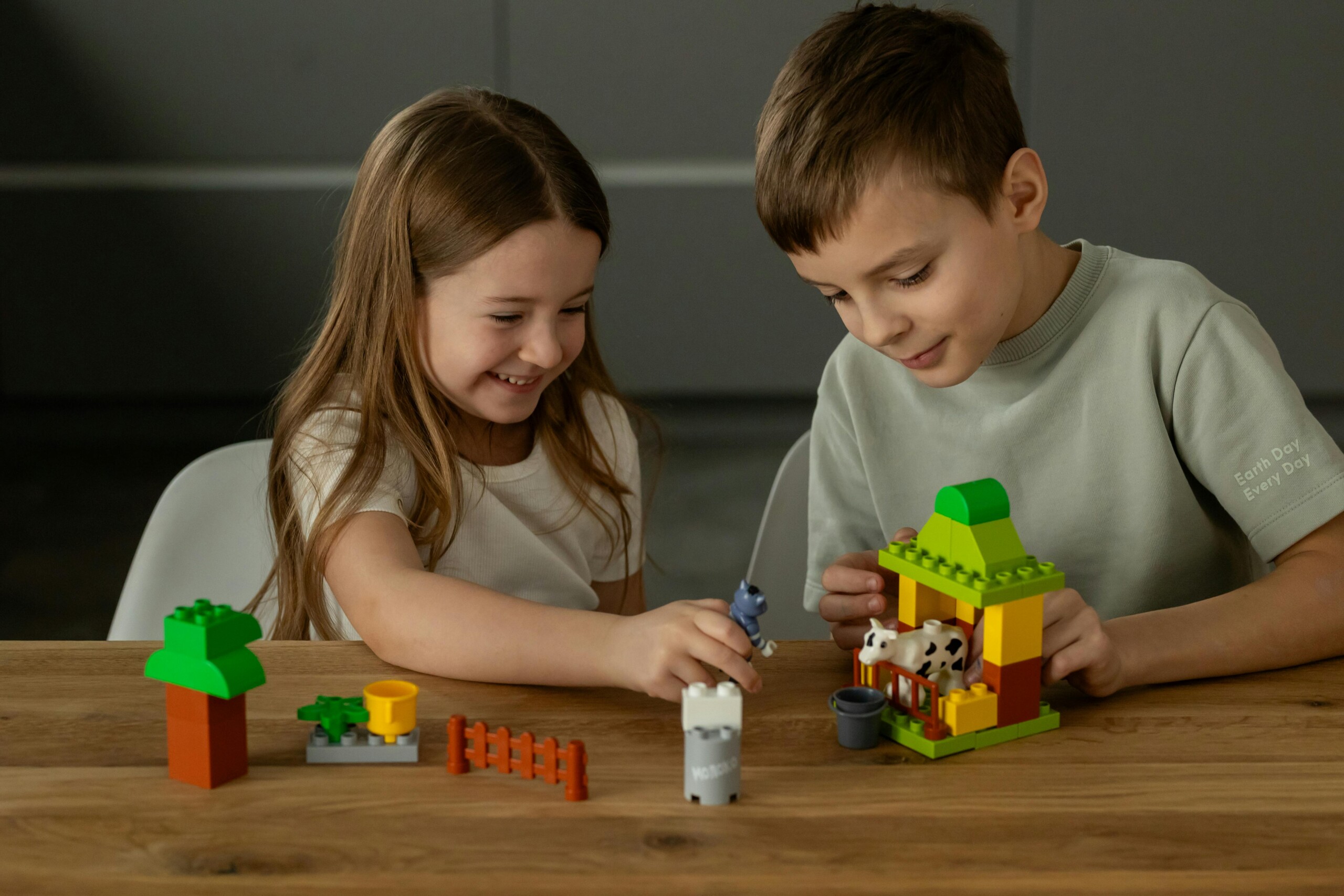
The three core roles are engineer, supplier and builder. The engineer reads the Lego instructions and communicates what needs to be built. The supplier finds the right pieces and hands them over. The builder follows the engineer’s directions to construct the model. Roles rotate throughout the session, which means every child practises every function — leading, following, communicating precisely, listening carefully.
Mindbridge psychology
Who can it help?
The framework was developed by Dr Daniel LeGoff and is often referred to as the Brick by Brick programme. The evidence base is well-established, with multiple studies demonstrating improvements in social competence, communication, and collaborative problem-solving — particularly for children with autism and ADHD.
What makes it work is that the structure is built into the activity itself. The therapist doesn’t have to manufacture social skills practice — it happens naturally through the task. The Lego is the medium; the skills development is what’s actually happening.
Structured, Evidence-Informed Approach
LEGO therapy uses a structured, role-based format designed to support communication and social skill development.
Small, Supported Group Sessions
Groups are kept small and guided by a trained therapist to ensure each child is supported throughout the session.
Builds Real-World Social Skills
What happens in a Lego Therapy session?
Sessions run for approximately 45-60 minutes in a dedicated therapy room using LEGO sets selected for the group’s age and ability level. Groups are small (typically 2-4 children) and are guided by a trained therapist throughout. Children rotate through structured roles that encourage communication, teamwork and problem-solving, with each session designed to be achievable, engaging and collaborative
Lego Therapy for ADHD
Children with ADHD often find traditional social skills training difficult to engage with. Role-play scenarios feel artificial, worksheets lose their attention quickly, and group discussions can be hard to track. Lego therapy works differently because the task itself provides the structure and motivation.
The session format targets skills that are frequently challenging for ADHD profiles: sustained attention on a shared goal, impulse control when pieces are needed but it isn’t your turn yet, listening carefully to instructions from the engineer, and tolerating the frustration of a build that doesn’t go to plan. None of this is presented as a skills exercise — it just happens in the course of building.
Because the activity is genuinely engaging for most children who like Lego, therapists often find it easier to establish rapport and sustain focus in Lego therapy sessions than in more traditional formats. For a child with ADHD who has had difficult experiences with group activities or therapy settings that felt clinical and stilted, this matters.
Lego Therapy for Autism
The original research into LEGO-based therapy was developed with autistic children, and the structured format — clear roles, explicit instructions, and predictable routines — aligns well with how many autistic learners engage and learn.
LEGO therapy supports social skills such as turn-taking, making and responding to requests, interpreting communication, and managing role changes within a group. These skills are practised in a supportive, engaging environment that can feel more accessible than unstructured social interaction.
The collaborative building task also encourages perspective-taking, as the engineer must consider what the builder needs to understand and communicate clearly. This is reinforced through repeated practice across sessions. Group sessions are typically small (2–4 children) and facilitated by a trained therapist throughout.
FAQs
LEGO therapy is typically suitable for children aged 5–16 years in clinical settings, although adaptations can be used for younger children or young adults depending on their developmental needs. The focus is less on age alone and more on whether the child can participate in a structured, group-based activity with support. An initial assessment helps determine if LEGO therapy is the right fit for your child.
No. While LEGO based therapy was originally developed for autistic children, it is also used to support children with ADHD, social anxiety, language development needs, and those who simply struggle with social confidence or peer interaction. It does not require a diagnosis and can be helpful for a wide range of children who benefit from structured social learning.
LEGO therapy is a structured, therapist-facilitated intervention, not free play. It uses defined roles such as engineer, builder, and supplier to support communication, teamwork, and problem-solving. The therapist guides interaction, helps support turn-taking and communication skills, and ensures learning goals are being met. Unlike general LEGO play, it follows a clinical framework often based on approaches such as Brick by Brick.
Most children benefit from around 12–18 sessions, although this varies depending on individual goals and needs. Some may need shorter support, while others benefit from longer-term intervention. Progress is reviewed regularly, and recommendations are adjusted based on how your child is responding in the group.
LEGO therapy is primarily delivered in person, as the approach relies on shared physical materials and real-time group interaction. In some cases, adapted formats may be possible online depending on the child’s needs and the service structure. If you are interested in online support, please contact MindBridge to discuss current availability.
In many cases, LEGO therapy may be funded through the NDIS under Capacity Building or Improved Daily Living supports, depending on the child’s plan and goals. Eligibility varies, so families are encouraged to check with their plan manager or support coordinator. The team at MindBridge can also help you understand how this may apply to your situation.
No. A diagnosis is not required to access LEGO therapy at MindBridge. Many children attend to build social skills, confidence, and communication abilities even without a formal diagnosis. If you are unsure whether it is the right fit, an initial consultation can help determine the most appropriate support for your child.