
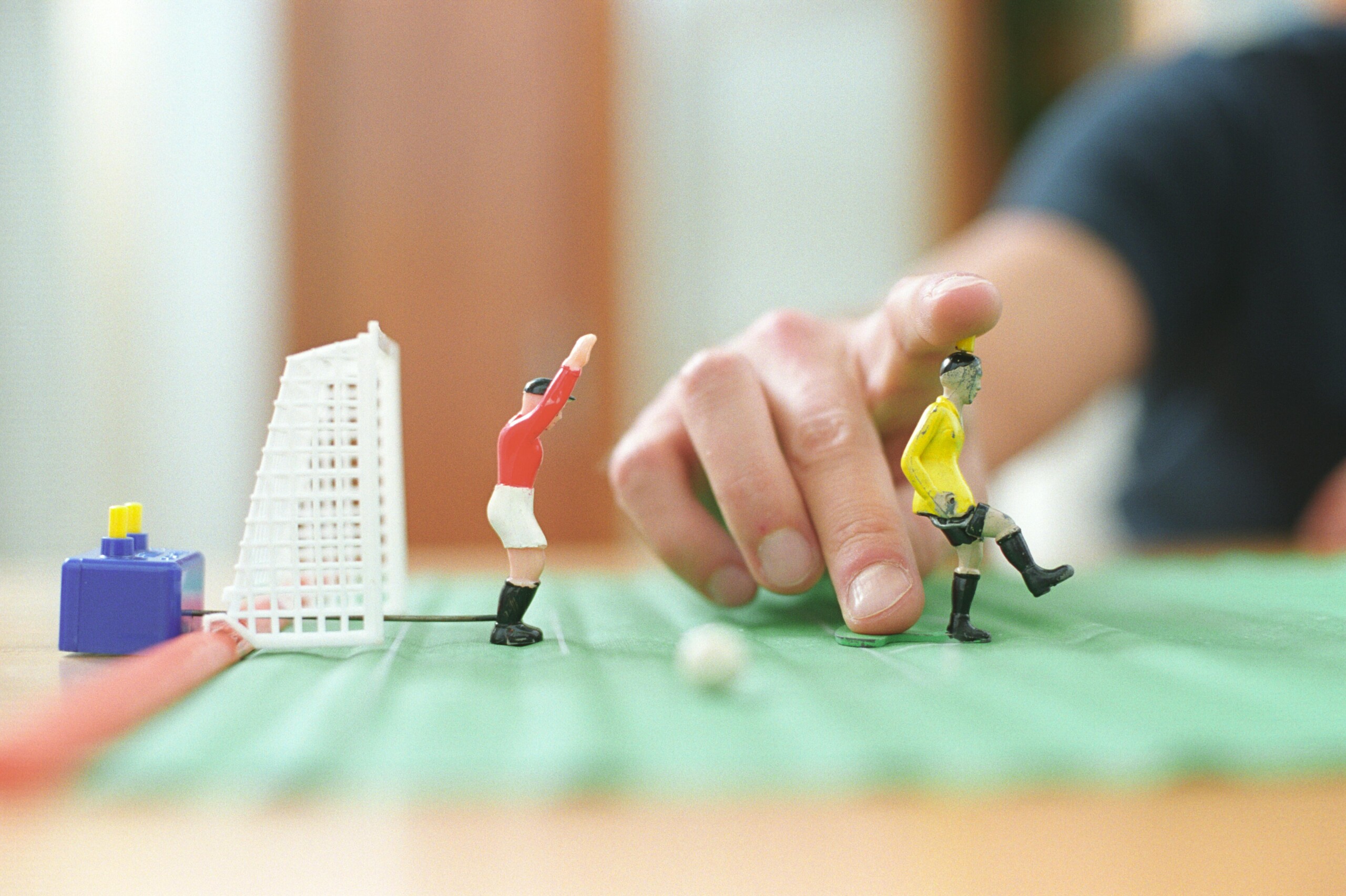
The session before this one didn’t work. That’s usually how parents end up here — not through research, but through exhaustion. The structured talk therapy, the expectation that a child will make eye contact with a stranger and describe their inner world on demand — it’s a format that was built for a particular kind of kid, and a lot of autistic children aren’t that kid.
Play therapy for autism drops that expectation entirely. The toys, the sand tray, the blocks — these aren’t warm-up activities. They’re the actual session. A child who shuts down the moment someone asks how they’re feeling might spend forty minutes building something that tells a trained therapist more than any conversation would have. So what really is play therapy and what is involved?
It isn’t magic. It’s just a better fit.
The Room Does a Lot of the Work
Consistency matters more than parents sometimes expect. The room is set up the same way each week — same materials in the same places — because predictability reduces the ambient anxiety that would otherwise eat into whatever the session is supposed to accomplish. An autistic child who knows exactly what they’re walking into is a different child from one who doesn’t.
The therapist follows the child’s lead. If that means three sessions of sorting figurines by colour before anything that looks like “progress” happens, that’s fine — the sorting is the data. What themes keep coming up, what the child does when something doesn’t go their way, how they respond when the therapist gently shifts something in the environment. A therapist reading childrens play therapy sessions at this level isn’t waiting for the child to open up. They’re already in.
Lego as a Specific Tool
Lego based play therapy has its own evidence base, which surprises some parents. The Brick by Brick programme — developed specifically for autistic children — uses structured Lego builds to work on social communication, turn-taking, and collaborative problem-solving, without any of those things being named out loud as the goal. Kids are assigned roles: one person finds the pieces, one reads the instructions, one does the building. It creates genuine interdependence without manufacturing a social scenario that feels forced.
Not every autistic child is into Lego. But the overlap between kids who are and kids who benefit from this approach is large enough that it’s worth raising with a therapist early.
What Parents Should Know Before the First Session
Age range is broader than most people assume. Play therapy works with children from around three years old, though for autistic adolescents the approach gets adapted — less open-ended, more structured, sometimes drawing in specific interests rather than a general play environment.
The question of whether to stay for sessions comes up constantly. There’s no universal answer. Some younger children, or those with higher support needs, settle better with a parent in the room initially. Others do better without. A good therapist will have a clear view on this by the end of session one, based on what they actually observe — not a policy they apply to everyone.
What you tell your child beforehand makes a difference. Don’t frame it as a place to talk about feelings, or as a response to something being wrong. The more accurate version: there’s a room with interesting things in it, they get to use it mostly however they want, and the person there is genuinely interested in what they do. That framing tends to land better, and it’s also just true.
Parents accessing play therapy Melbourne services often ask how long before they see a difference. Honestly, the changes are rarely dramatic week to week. More often it’s something a parent notices sideways — a transition handled without a meltdown, a comment at dinner that wouldn’t have come out six months ago. The accumulation is real even when the individual sessions look uneventful.
The hard part is sitting with that slow pace when you came in already worn out.
Leave A Comment

Anxiety has a particular quality that makes it hard to treat through conversation alone.

Type “gaming therapy” into a search engine and the results assume you know what

The word “affirming” gets used loosely. In neurodivergent-affirming practice it means something specific —

Talk therapy works. That’s not in dispute — the evidence is solid, the results