
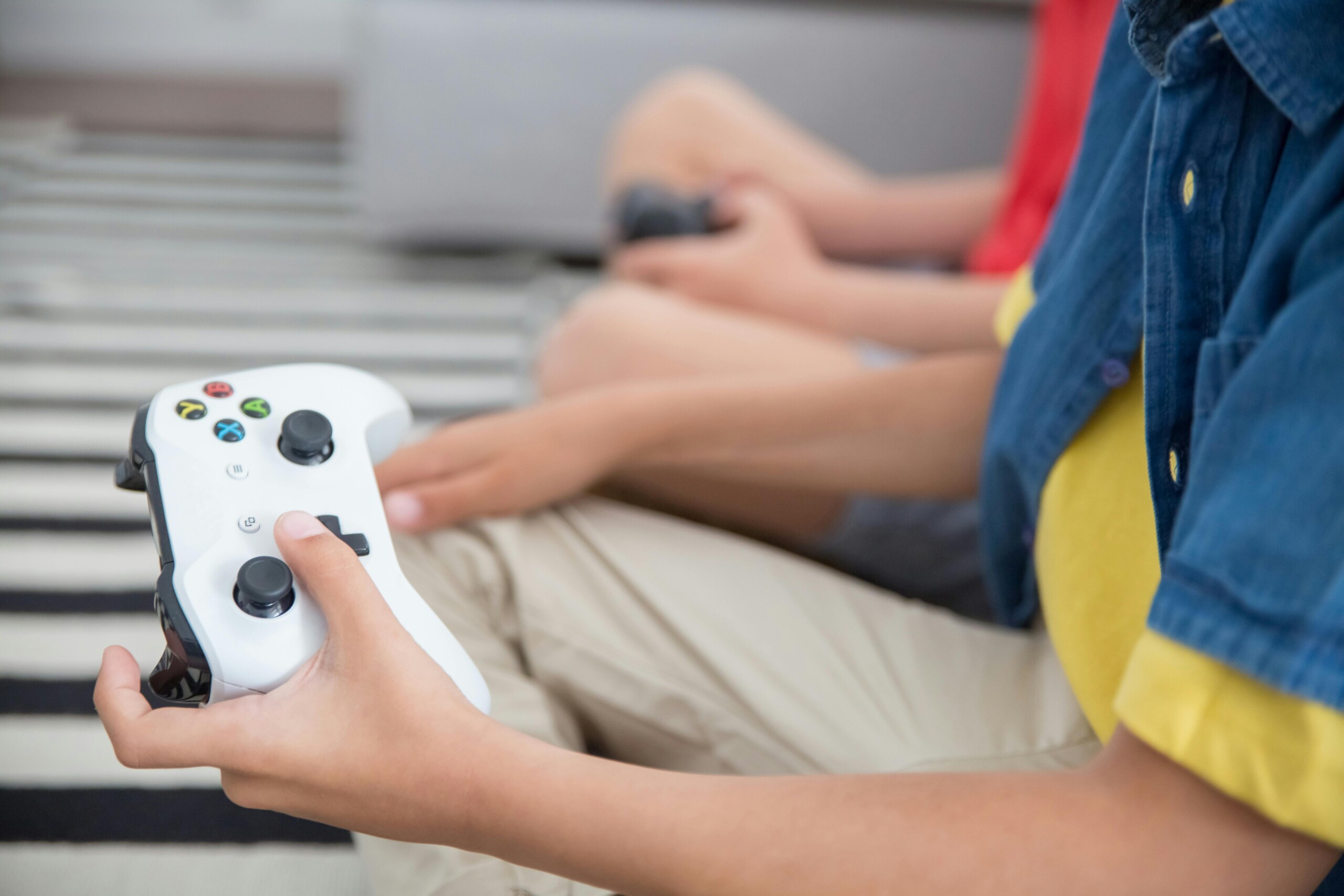
What is Video Game Thearpy?
Video game therapy uses games as a clinical tool rather than a reward or a distraction.
At MindBridge, our gaming therapists work with clients inside game environments to build therapeutic rapport, develop communication and social skills, and process difficult emotions through gameplay.
Sessions draw on the client’s genuine interest in gaming which is usually what makes it effective where other approaches haven’t been.
How does Video Game Thearpy Work?
In practice, a session might involve a therapist and client playing a co-operative game together, with the therapist watching how the client handles frustration, communicates under pressure, or responds when something doesn’t go their way. That behaviour in-game reflects real patterns — and becomes something that can be named, explored and worked with.
Video games and therapy connect well because games create low-stakes versions of real situations. A client who finds direct conversation difficult can communicate through a character. A teenager who shuts down in traditional sessions might open up when they’re focused on a shared task. The game creates side-by-side engagement rather than face-to-face pressure, which changes the dynamic significantly.
Specific skills often targeted in gaming therapy sessions include: emotional regulation when a game becomes frustrating or competitive; turn-taking and collaborative problem-solving in multiplayer environments; narrative processing through story-driven games; and building confidence through mastery and achievement.
Who Can Benefit from Video Game Therapy?
Children & teens
For children and teens who may not respond well to traditional talk therapy, offering a game-based approach.
Talk therapy resistant
Supports those who prefer a more active approach or find traditional talk therapy less effective.
Adults
Depression, stress, social confidence, emotional regulation, or life transitions may benefit from video game therapy.
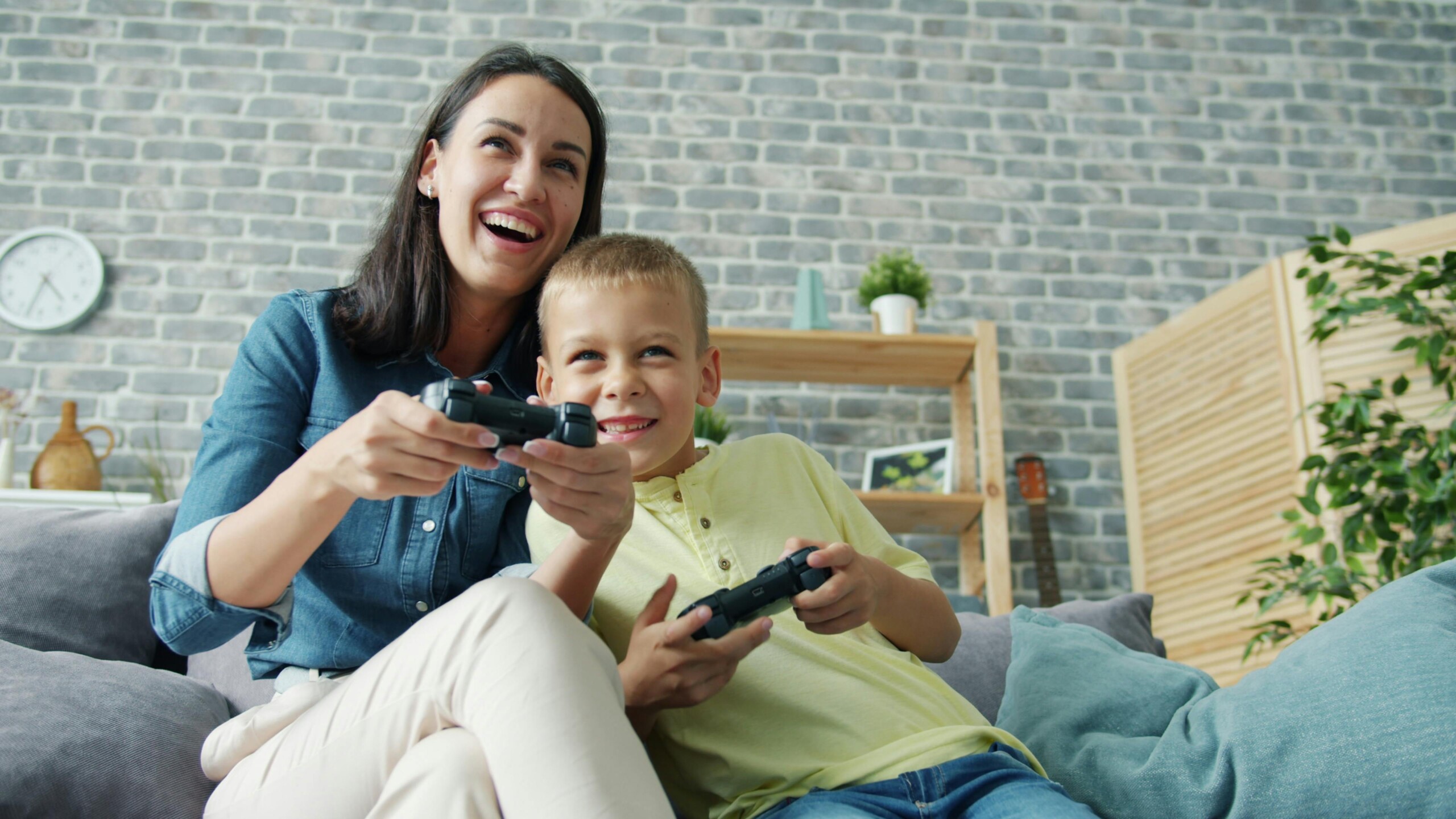
What Does a Video Game Therapy Session Look Like?
The therapeutic use of video games is not new, and research into gaming as a clinical tool has been building for over two decades.
The evidence base is now strong enough that it’s used across psychology, occupational therapy, and social work settings.
Will video game therapy increase screen time?
A session runs 50 minutes, fortnightly. The numbers don’t stack up as a concern.
The screen isn’t the point anyway. A gaming therapist uses the game the way another therapist uses a sand tray — the work happens in what the child does, says, avoids, chooses. Parents sometimes notice the effect sideways. Not more screen hunger at home. A slightly lower threshold for conversation. Something shifted.
Whether that sits with your household screen rules is your call. But it’s rarely the trade-off it looks like.
FAQs
No referral is required. Clients can self-refer directly to MindBridge Psychology. Sessions may also be accessed through Medicare Mental Health Care Plans, private funding, or NDIS plans where applicable.
The number of sessions varies depending on the individual’s goals, needs and presenting concerns. Some clients engage short-term for specific skills, while others participate in longer-term therapeutic work. An initial assessment is conducted to determine the most appropriate approach and structure.
Yes. Video game therapy is grounded in established psychological and neuroscience research, including work on social cognition and engagement (such as mirror neuron research by Giacomo Rizzolatti and colleagues) and structured digital therapy programs like the SPARX trial for youth depression. At MindBridge Psychology, gaming therapy is delivered within a clinical framework by a qualified gaming therapist, where games are used as a therapeutic medium to support engagement, emotional regulation and skill development.
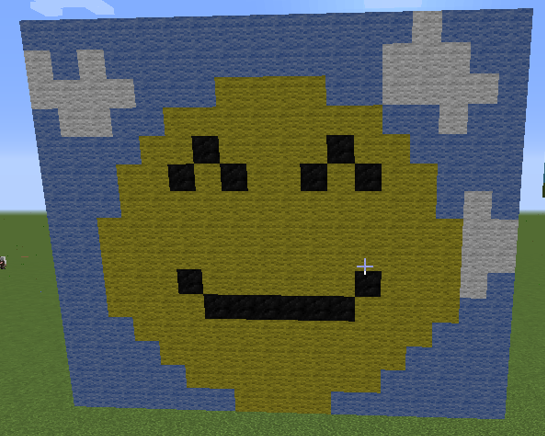
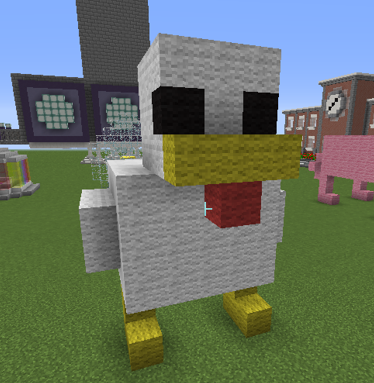
A gaming therapist selects games based on their therapeutic value rather than popularity. This often includes sandbox and creative games like Minecraft, cooperative multiplayer games, and narrative-driven games that support emotional reflection and communication. Games are chosen intentionally to match the client’s goals, such as building social skills, frustration tolerance or emotional expression.
Yes. Video game therapy is suitable for children, teenagers and adults. Many adults with gaming experience find this approach more natural and accessible than traditional talk therapy. A video game therapist can use gameplay to support emotional insight, stress processing and communication in a way that feels less formal and more engaging.
Gaming therapy is a structured psychological intervention. The therapist is actively observing, guiding and using what emerges in gameplay to support therapeutic goals. Unlike casual gaming, sessions are clinically informed and focused on emotional processes, behaviour patterns and interpersonal dynamics. The game is the medium — not the goal.
Yes. Video game counselling is available online through secure video sessions. Clients and the video game therapist may play together using shared platforms or guided gameplay depending on the session structure. This allows therapy to be accessed from home while still maintaining a collaborative, interactive therapeutic experience.