
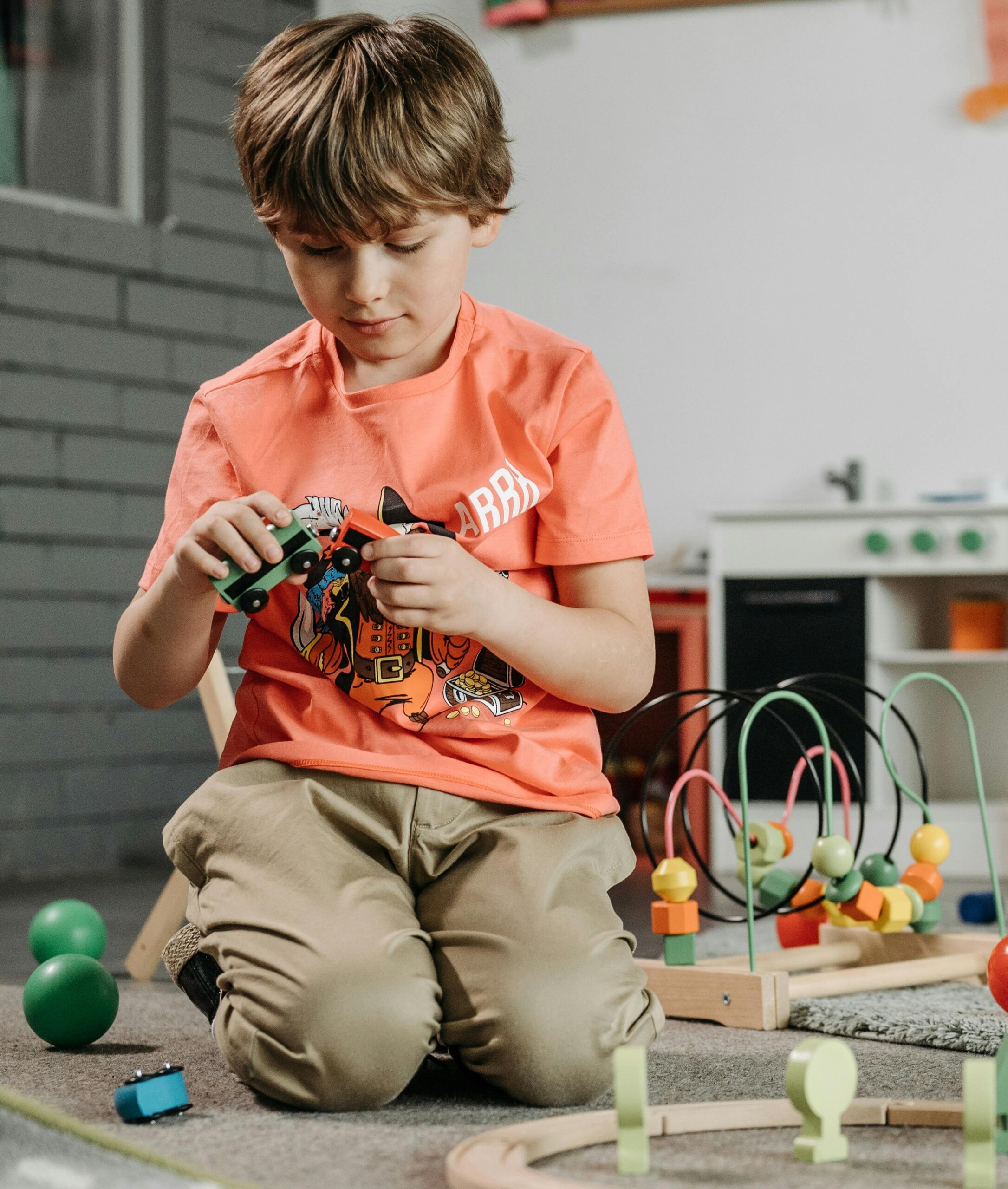
A Place Built For You
Play therapy is an evidence-based form of psychological therapy that uses play as its primary medium.
At MindBridge Psychology, our therapists offer children’s play therapy in Melbourne for children and young people, working with a wide range of emotional, behavioural and developmental presentations. Sessions are available in-person at our Melbourne rooms and online.
What Is Play Therapy?
Play therapy is to children what talking therapy is to adults. Children under twelve typically do not have the cognitive or emotional development to articulate their inner experience in words — but they can show it through play. A trained play therapist understands how to read that play, and how to work within it therapeutically.
The connection between play and play therapy is not metaphorical. Play is the actual clinical tool. In a play therapy session, a child might use sand, puppets, art materials, miniature figures, or roleplay — not because it is fun, though it often is, but because the therapist has created a space where the child can externalise and explore what is hard.
There are several recognised play therapy frameworks used by practitioners worldwide, including child-centred play therapy, Adlerian play therapy, and filial therapy (which involves training parents to conduct therapeutic play sessions at home). The evidence base for play therapy is well established, with research supporting its effectiveness for anxiety, trauma, ADHD, autism, grief, and behavioural difficulties
Mindbridge psychology
Children’s play therapy in Melbourne
MindBridge Psychology offers child play therapy in Melbourne, with a dedicated playroom designed for therapeutic work using sand tray, art materials, puppets, miniatures, and creative resources.
We work with children aged 3–12 experiencing concerns such as anxiety, school refusal, trauma, grief and loss, ADHD, autism, selective mutism, behavioural difficulties, and major life changes.
Sessions are 30–50 minutes and are delivered by experienced clinicians, including Angelica Carey, a clinical psychologist with over 10 years’ experience. Online play therapy is also available where appropriate.

Child & Adult Therapy
Supporting children, teens, and adults through life’s challenges at any stage.
Safe, Collaborative Care
A welcoming space where clients feel heard, understood, and supported to express themselves.
Creative & Play-Based Approaches
Using play, conversation, and creative techniques to encourage expression and healing
Play therapy for children with ADHD and autism
Play therapy is particularly well suited to neurodivergent children, and it is a modality MindBridge uses regularly with children with ADHD and autism spectrum conditions.
For children with ADHD, the non-directive nature of child play therapy is one of its strengths. There is no desk, no worksheet, no requirement to sit still and answer questions. The child leads. The therapist follows. Within that structure — or apparent lack of it — the therapist is watching patterns, building relationship, and working with what emerges. Self-regulation, frustration tolerance and impulse control are all territory that play therapy covers, without those things being announced as the agenda.
For autistic children, play therapy for autism offers something similar: a space with reduced social demand, where the child’s own interests and ways of engaging with the world are followed rather than redirected. A therapist trained in autism-informed play therapy will not push a child toward eye contact or conventional social scripts. They will work within the child’s natural play style. For some children, play therapy is used alongside Lego therapy. The modalities complement each other and can be combined based on the individual child’s needs and preferences.
What to expect in a play therapy session
Starting play therapy can feel unfamiliar for both children and parents. At MindBridge, sessions are designed to create a safe, supportive, and child-led environment where children can express themselves naturally through play, at their own pace.
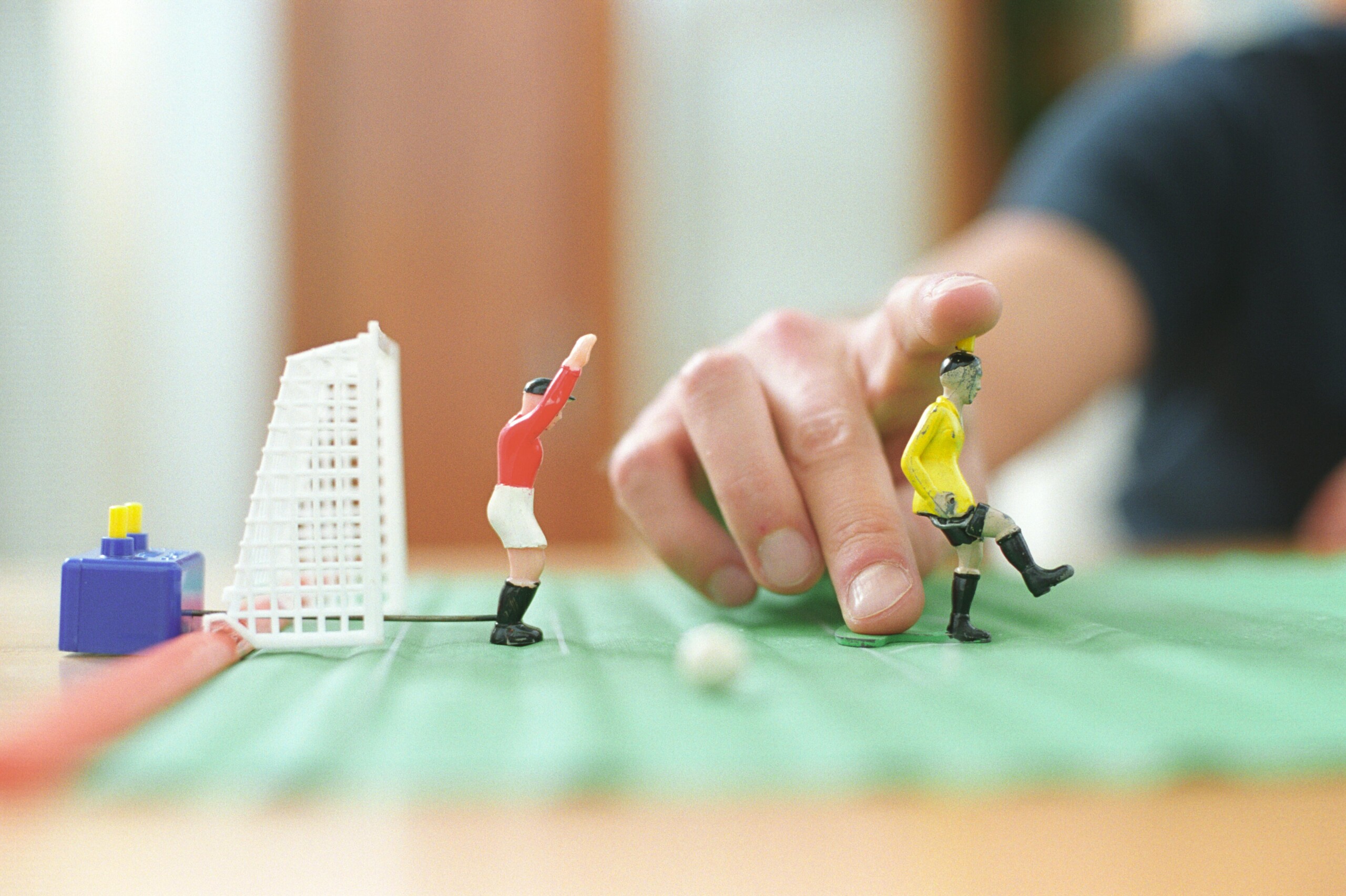
Play therapy for adults
Play therapy is not exclusively a modality for children. Adults can and do engage with play-based therapeutic approaches — particularly those who find traditional talking therapy difficult, who are working with early childhood trauma, or who benefit from more somatic and creative ways of processing.
In an adult play therapy context, the materials and the framing shift, but the underlying principle is the same: expression and processing do not have to be verbal. Sand tray work, creative visualisation, miniature figures and embodied play can all be part of an adult’s therapeutic work.
FAQs
Play therapy is most commonly used with children aged 3–12 years. At this stage, play is often a child’s most natural way of expressing thoughts, feelings and experiences. Play-based approaches can also be adapted for teenagers. During an initial consultation, we can discuss whether play therapy is suitable for your child’s age, development and needs
Children do not always have the words to explain difficult emotions or experiences. Through play and play therapy, children can express themselves in a safe and natural way. The therapist creates a supportive environment where the child leads the play, helping them process emotions, build confidence and develop healthier coping skills over time.
Every child is different, but many children attend around 12–20 child play therapy sessions. The exact number depends on your child’s needs and goals. An initial assessment helps set expectations, and progress is reviewed regularly to ensure therapy remains appropriate and beneficial.
In children’s play therapy, the child leads the session while the therapist provides a safe and supportive space. Toys, games, art materials and imaginative play resources may be used. Sessions typically run for 45–50 minutes, and there is no right or wrong way for a child to participate.
Parents or caregivers typically do not stay in the room during play therapy sessions. This helps create a safe and confidential space where children can express themselves freely. The therapist may provide a brief update after the session and schedule regular parent consultations to discuss progress.
Yes. MindBridge Psychology provides play therapy Melbourne families can access through our Melbourne-based practice. Depending on your child’s needs, online appointments may also be available. Contact us to discuss availability and whether play therapy is the right fit for your child.
Some families may access play therapy through Medicare with a Mental Health Care Plan and GP referral. NDIS funding may also be available under therapeutic supports, depending on your child’s plan. Contact MindBridge Psychology to discuss the funding options available to your family.
Yes — remove the barrier clearly. Many children benefit from play therapy without a formal diagnosis. Anxiety, grief, family change, school difficulties — none of these require a diagnosis to access support. This question directly reduces the barrier to enquiry.