

The waiting room at a psychology clinic is a strange place for a six-year-old. They don’t know why they’re there, not really. They have some sense that something has happened or that something feels off — but the idea of sitting across from a stranger and talking through it assumes a kind of emotional vocabulary most young children genuinely don’t have yet. Not stubbornness. Not defiance. The wiring isn’t there.
Play therapy works because it doesn’t ask children to do something they’re not built for. It operates through the medium children already use to make sense of the world — play — and treats that as the actual therapeutic process rather than a warm-up to the real thing. Psychology Clinics offer play therapy in Melbourne for children and young people, and what follows covers how it works, who it helps, and what the experience actually looks like from the outside.
What Actually Happens in a Session
The room matters more than people expect. A play therapy space is stocked deliberately — sandtrays, art supplies, puppets, figurines, building blocks, games. A child who has completely shut down around a particular subject might spend thirty minutes arranging two families of figurines into separate houses, moving them around, inventing dialogue for them. Every choice is information. The therapist is watching all of it, not passively.
Two broad approaches shape the work. Non-directive play therapy hands control entirely to the child — the therapist reflects what they observe, follows where the child leads, doesn’t steer. Directive approaches bring in specific prompts or activities when there’s a clear therapeutic target. Most practitioners move between both, reading what a particular child needs week to week rather than committing to one or the other.
Sessions run 45–50 minutes. The first fifteen are often just the child getting their bearings — taking in the room, testing what’s allowed, watching the therapist for cues. What tends to happen in the back half, once that’s settled, is usually more substantive.
What I think gets underestimated is how much the therapeutic relationship itself is doing the work. The techniques, the room, the materials — all of it matters less than whether the child trusts the person sitting with them. A child who does will use any space well. One who doesn’t will disengage from the most carefully designed room you’ve ever seen.
The Range of Presentations Play Therapy Addresses
Childrens play therapy is used across a wider range of presentations than most families realise when they first enquire. Anxiety, grief, trauma, family breakdown, ADHD, autism, attachment difficulties, social withdrawal — it adapts because it doesn’t require the child to arrive already able to name what’s wrong.
Trauma is where play therapy tends to pull ahead most clearly. A child who has witnessed domestic violence, experienced abuse, or gone through a frightening medical event often holds that material somewhere a direct conversation can’t reach. Play creates distance — the child approaches the experience through a character or a story, obliquely, at a pace they can actually manage. That oblique approach isn’t a failure to face things. It’s how the processing happens.
Anxiety in children tends to get misread because it doesn’t always look like anxiety. Stomach aches before school. Meltdowns when a routine shifts by ten minutes. A kid who needs to control every small thing in their environment. Play therapy gives children a way to externalise what they’re carrying — to get it outside themselves and look at it from a slight distance. That’s hard to do when the feeling is stuck inside a body that doesn’t yet have a name for it.
Children with ADHD often engage well, partly because the format doesn’t begin with a structural disadvantage — no requirement to sit still and sustain verbal output for fifty minutes. For autistic children, particularly those who find the unspoken choreography of a standard conversation exhausting, a play environment changes what’s being asked of them in ways that matter.
Grief works differently too. Bereaved children tend to absorb the ambient message that their sadness is hard for the adults around them. They learn to manage upward, to soften it. A play therapy room removes that obligation — maybe the main thing it does, in some cases.
When It Isn’t the Right Starting Point
Some children arrive needing something more intensive first. Acute psychiatric crisis, or eating difficulties that are medically serious — play therapy can follow, or run alongside, but it shouldn’t be carrying the load when the primary need is medical or psychiatric. Practitioners worth trusting are honest about this at assessment. They don’t take every referral.

Why Play Therapy and Talk Therapy Aren’t Just Different Flavours of the Same Thing
The surface difference is the medium. The real one is developmental.
Talk therapy assumes the client can identify what they’re feeling, name it, place it in time, trace it to something. Most children under twelve — regardless of how bright or verbal they are — are still building that capacity. Asking them to operate at a cognitive level they haven’t reached yet doesn’t accelerate development, it just produces a child who says the right things without any of it landing anywhere. Play and play therapy work at the stage children are actually at: concrete thinking, narrative, making meaning through action rather than analysis.
There’s something else that doesn’t get said often enough. Being questioned by an adult is already loaded for a lot of children — particularly if the adults in their life have been unpredictable or frightening. A room full of things the child can pick up or ignore entirely, on their own terms, at their own pace, shifts that dynamic. Having some control over something small. It sounds minor. It isn’t.
Some older adolescents do better in talk therapy, but the assumption that they automatically prefer it is wrong more often than people assume. Teenagers who are neurodivergent, or who have early trauma histories, sometimes engage through play-based or creative approaches in ways that would take months to achieve in a standard consulting room.
What the Research Shows
The most-cited figure comes from a meta-analysis of 93 outcome studies: an effect size of 0.80, which sits firmly in the “large” range by clinical standards. Gains in anxiety, trauma symptoms, self-concept, social behaviour. The evidence is strongest for ages 3–12, though play-based work continues into adolescence, usually combined with other approaches.
When choosing a therapist in Australia, AHPRA registration is the baseline to check. The title “play therapist” isn’t uniformly protected across all states — which means it’s worth asking directly about training and clinical background rather than assuming the title does that work. Someone who can describe their methodology in plain terms and acknowledge where their approach has limits is a better sign than an extensive credential list that doesn’t translate into a clear clinical picture.
Lego Therapy, Video Game Therapy, Art Therapy — and How They Relate
Play therapy is less a single method than a family of approaches connected by a shared belief: that non-verbal, action-based expression has therapeutic value, and that the medium shapes what becomes possible in the room.
Lego-based therapy — the Brick by Brick programme — puts children in small groups with defined roles: engineer, supplier, builder. They work through collaborative construction tasks designed to practise the social mechanics that are genuinely difficult for many autistic and neurodivergent children. Turn-taking, shared attention, communicating a goal across a task with someone else. It has its own evidence base and a more specific target population than general play therapy, though the roots aren’t far apart.
Video game therapy has become a serious clinical approach, particularly for adolescents. A teenager who goes monosyllabic in a consulting room will sometimes open up entirely once the conversation is happening inside something they already know and care about. That’s not a trick — the game is doing some of the relational work, and for that particular person, no other approach was going to do it.
Art therapy covers similar ground through a different medium. Some children respond better to image-making than to figurines or digital environments. Some benefit from both across a course of treatment.
Finding the right type of non-traditional therapy is important
How Long It Takes, and What Progress Actually Looks Like
Eight to twelve sessions is usually described as a minimum for meaningful change. Plenty of children stay longer, especially when trauma or attachment difficulties are driving the referral. Progress isn’t linear. Parents often don’t see it in the early weeks — which is worth knowing going in, because watching your child walk out of a session apparently unchanged while clinic fees accumulate is harder than it sounds.
The opening sessions often look like nothing useful is happening. The child plays aimlessly, tests the therapist, maybe barely acknowledges them. That’s not a sign of failure. It’s the child working out whether the room is safe and whether the adult in it is trustworthy — and that assessment takes as long as it takes. The engagement that comes after tends to be more substantive because of it, not despite the slow start.
Parents aren’t in the room but aren’t peripheral either. Most therapists run separate meetings with parents before treatment starts and at intervals throughout — hearing what’s happening at home, sharing observations, giving guidance on what’s useful to do between sessions. The fifty-minute appointment is shaped by the rest of the child’s week. Good treatment doesn’t pretend otherwise.
Preparing Your Child for a First Session
Keep it simple and keep the anxiety out of it. Something like “you’re going to play with someone whose job is to help kids with big feelings” is accurate and doesn’t load the child up with expectations or significance. Over-explaining tends to backfire — children read parental worry and carry it straight into the session.
Don’t prep them on what to say. The therapist will find their way in.
If you’re not sure whether play therapy is the right fit, that’s exactly what an initial consultation is for. A good therapist will tell you honestly, including if the answer is no and potential alterantive services for you.
Leave A Comment
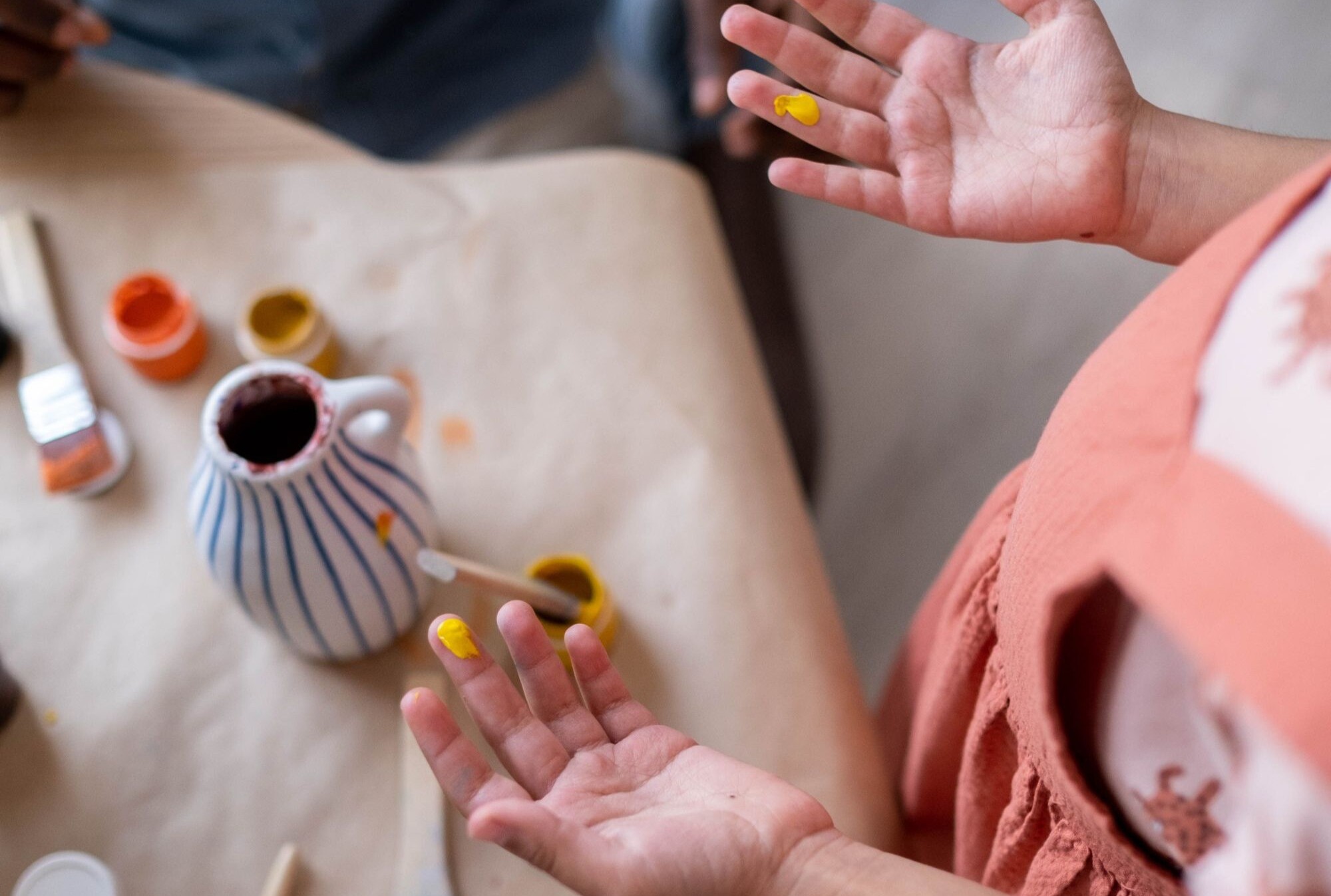
Anxiety has a particular quality that makes it hard to treat through conversation alone.

Type “gaming therapy” into a search engine and the results assume you know what
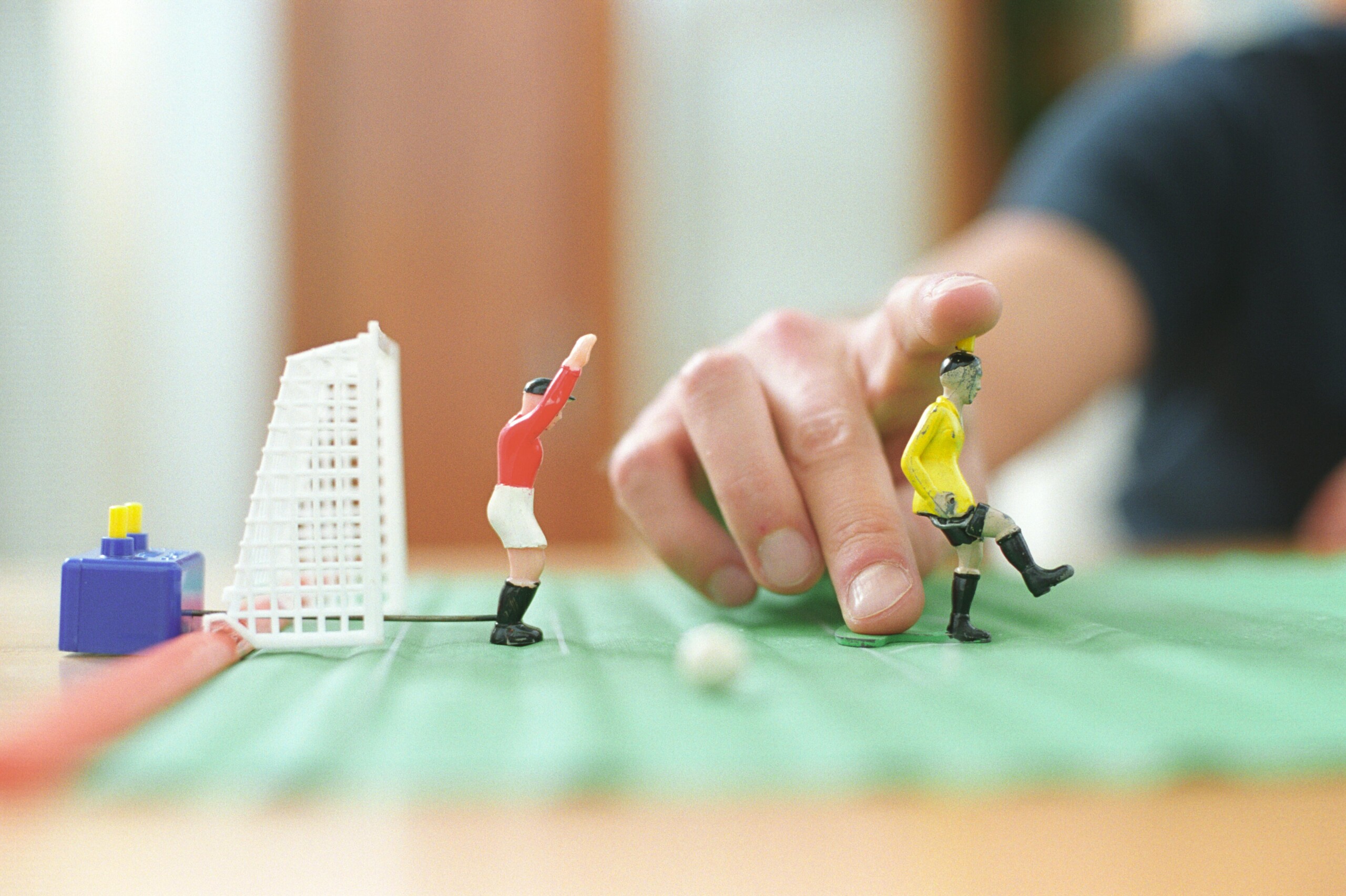
The session before this one didn’t work. That’s usually how parents end up here

The word “affirming” gets used loosely. In neurodivergent-affirming practice it means something specific —