
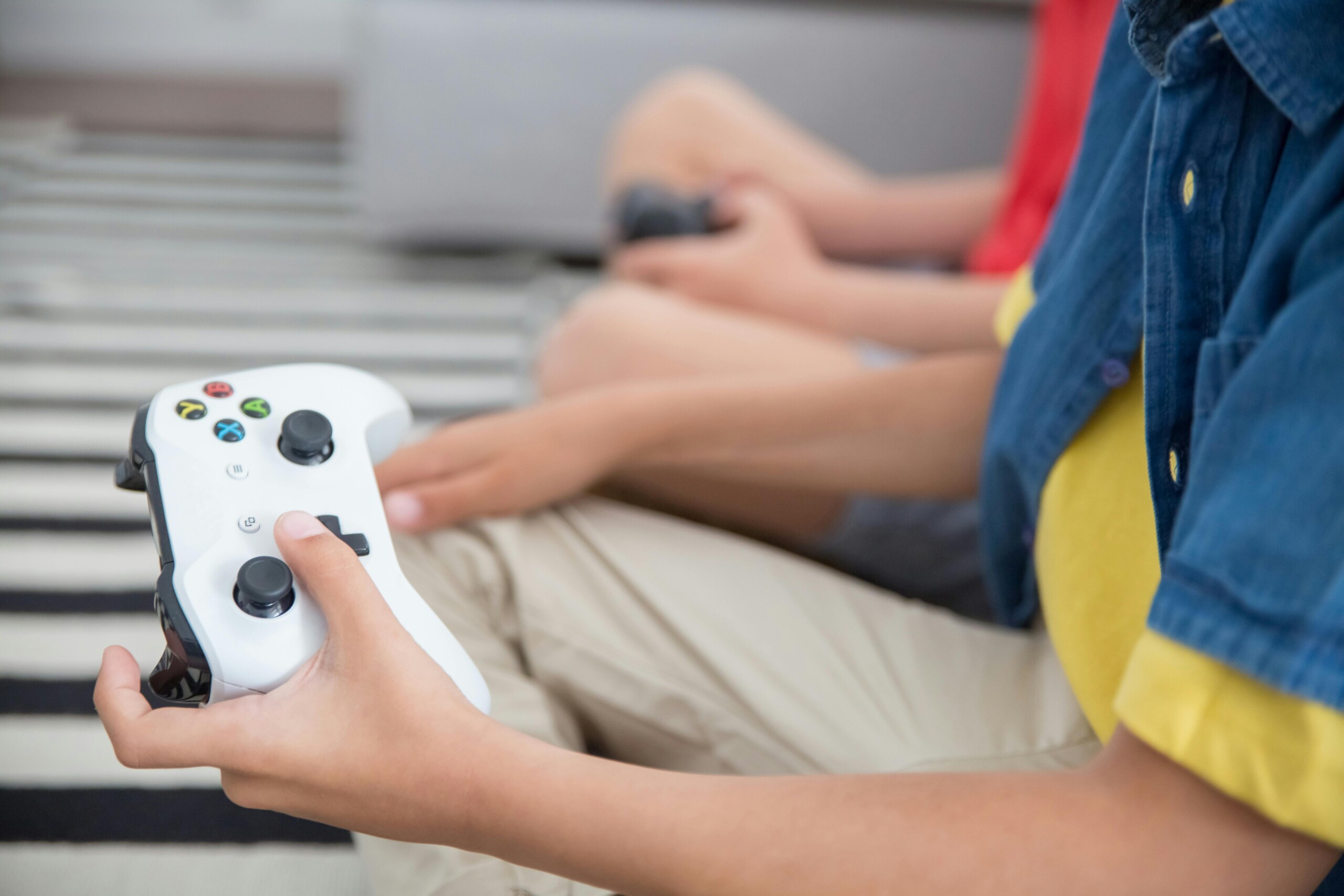
A gaming therapist hands a patient a controller. Not to kill time between exercises. The game is the session.
Video game-assisted therapy has been creeping into clinical practice for a while now, and lately it’s moving faster. The gaming therapist — still a title that raises eyebrows in some circles — is becoming a recognisable role in mental health settings. Structured gameplay is being used as a direct intervention for anxiety, not as a warm-up or a mood-lifter between the real exercises, but as the thing itself. The conversation around video games and therapy is also shifting at a research level — trials using games like Tetris and Sea Hero Quest have recorded measurable reductions in intrusive thoughts. For a medium that most clinicians grew up dismissing, that’s a meaningful result.
Why Games Work Differently
Anxiety is mostly an attention problem. The brain locks onto a perceived threat and won’t release it — regardless of whether the threat is real, distant, or completely invented. Games make a competing demand on that same attention. It’s nearly impossible to spiral about a difficult conversation, while a puzzle requires your full working memory to solve. Therapists call this attentional retraining. It’s less dramatic than it sounds, but it works.
The feedback loop is the other thing. You act, something changes, you adapt. Over and over. For someone whose anxiety insists that outcomes are random and effort is futile, an hour inside a system that actually rewards cause and effect can be oddly stabilising. Honestly, it sounds too simple. But the patients who respond to it don’t much care whether it sounds simple.
Agency is part of it too — and this one’s underrated. Anxiety contracts people’s worlds. Fewer social risks, fewer decisions, fewer situations that feel survivable. A game pushes back against that contraction in a space where failure costs nothing. For some patients, that expansion isn’t a stepping stone to therapy. It’s what the therapy actually looks like.
How Non-Traditional Therapy Is Changing the Field
Non-traditional therapy tends to spend its early years defending its right to exist. Music therapy, art therapy, and somatic approaches — all of them fought for credibility that medication and CBT never had to earn. Video Game therapy is in that phase now, and the clinical community is genuinely divided. Some practitioners are excited by the engagement it produces, particularly with younger patients. Others are uncomfortable building a treatment around something most people consider leisure. Some just don’t understand what video game therapy is.
The access point is harder to argue against, though. A sixteen-year-old who flatly refuses to sit in a therapist’s office might spend thirty hours with Celeste — a game built around a protagonist struggling with anxiety and self-doubt — without anyone having to convince them it’s good for them. Whether that constitutes therapy depends on who, if anyone, is shaping the experience around it.
When the Game Itself Is the Intervention
EndeavorRx got FDA clearance in 2020 as a treatment for attention deficits in children. It runs like a game, looks like a game, and kids engage with it like a game — but every mechanic is built to serve a clinical target. That’s a meaningfully different thing from a therapist suggesting Stardew Valley to a stressed adult, even if both can be useful.
The gap between those two approaches is what practitioners are still working out. One is a calibrated, tested intervention. The other is using a familiar medium to lower resistance enough for other work to land. Neither is wrong. They’re just doing different things, and conflating them muddies both.
What Practitioners Are Actually Doing
Most clinicians using games aren’t throwing out their existing frameworks. They’re adding a layer. A patient plays something specific during the week, keeps loose notes on what came up emotionally, and brings that into the following CBT session. The game generates material — anxiety spikes, avoidance moments, small surprises — that’s harder to produce through conversation alone.
Multiplayer settings complicate this in interesting ways. Social anxiety is notoriously resistant to role-play exercises, which often feel artificial to patients. A game introduces real social dynamics — mild conflict, ambiguous communication, cooperation under pressure — in a context that feels genuinely lower-stakes. Some practitioners report stronger transfer to real-world situations than they’d expected. Why that happens isn’t fully understood yet.
There’s no standardised protocol for any of this. Practitioners are adapting tools that weren’t built for clinical use, making judgments that the research hasn’t caught up to yet. That’s uncomfortable from a methodology standpoint, and it’s also just how new approaches get developed.
The question is no longer really whether games belong in anxiety treatment. Enough patients have responded well to settle that much. The open questions — which games, which patients, under what kind of guidance — are the ones that’ll take another decade to answer properly.
Leave A Comment

Anxiety has a particular quality that makes it hard to treat through conversation alone.
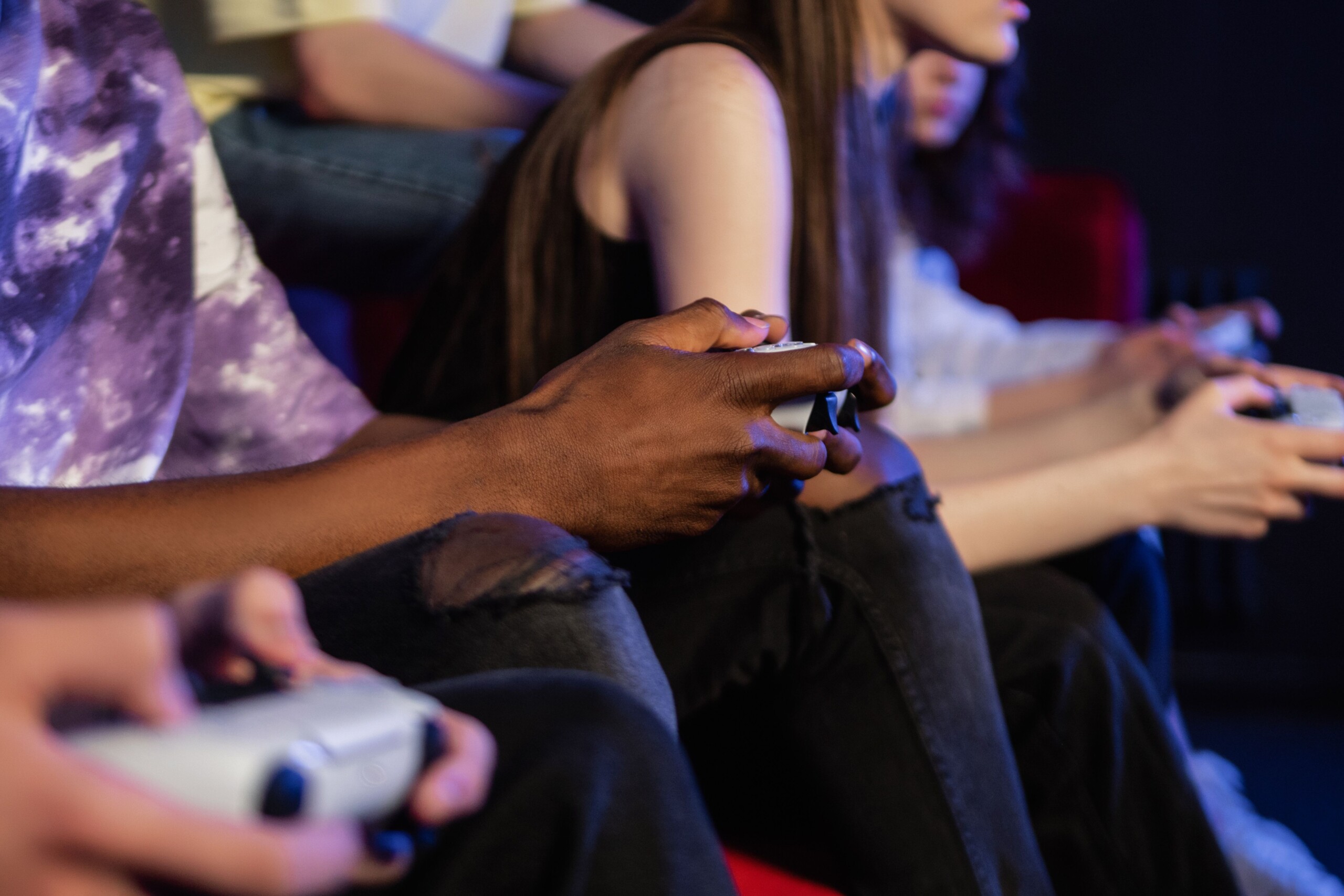
Type “gaming therapy” into a search engine and the results assume you know what
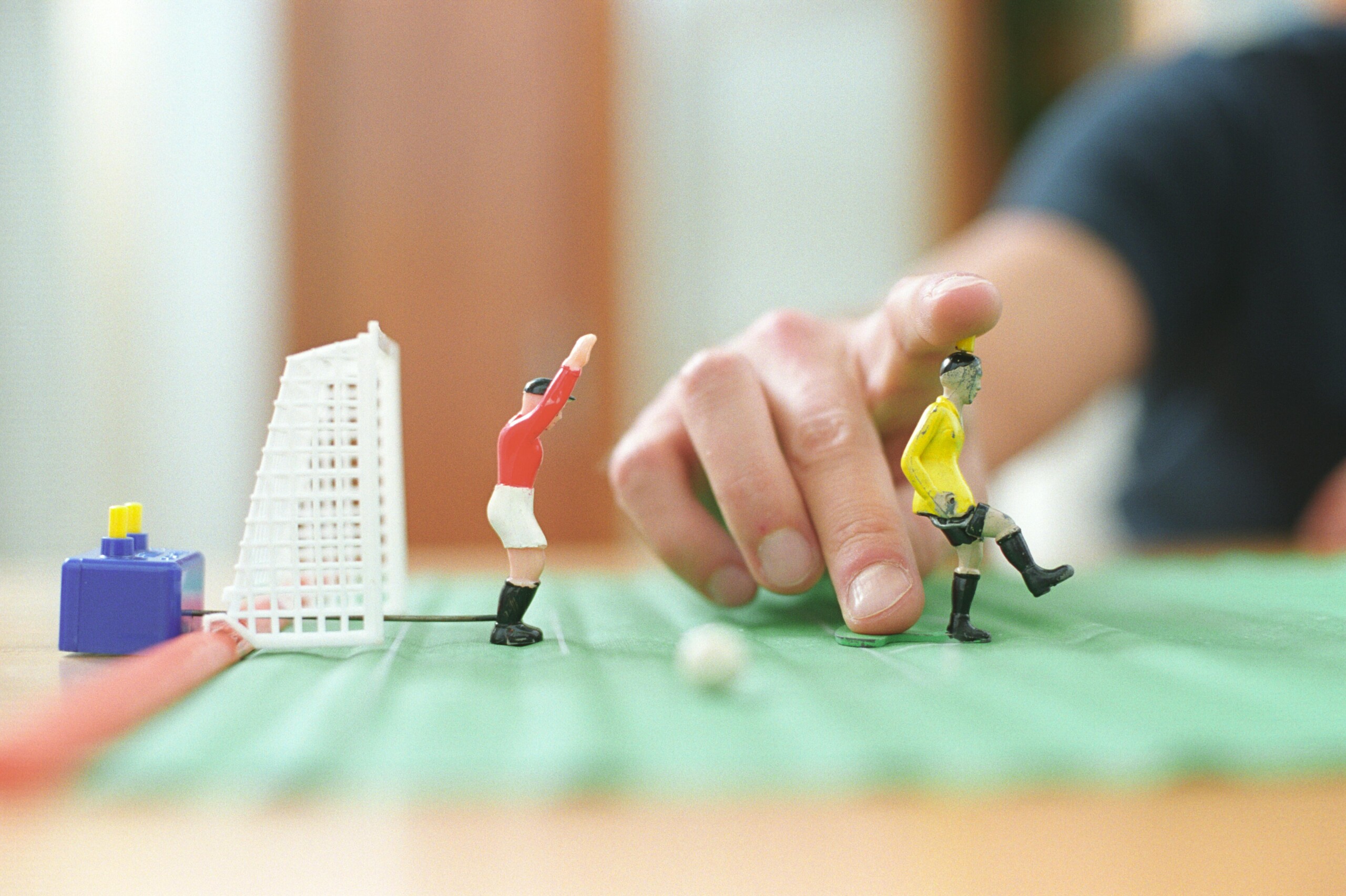
The session before this one didn’t work. That’s usually how parents end up here

The word “affirming” gets used loosely. In neurodivergent-affirming practice it means something specific —