
Talk therapy works. That’s not in dispute — the evidence is solid, the results are real, and for a lot of people it’s exactly the right approach.
The issue is that a meaningful proportion of people can’t access it. Not won’t. Can’t. For them, non traditional therapy isn’t a consolation prize after something else has failed. It’s the right starting point, and most referral pathways are slow to acknowledge that.
What Traditional Therapy Looks Like
CBT is probably the most widely practised form — identifying unhelpful thought patterns, challenging them, building behavioural change through structured work. Psychodynamic therapy, ACT, DBT all belong in the same broad category, different in theory but sharing the same medium.
Two people in a room. One talks through their inner life while the other listens, questions, reflects. The client needs to identify what they’re experiencing, articulate it to some degree, and stay with the process of examining it across fifty minutes. Those demands get treated as baseline rather than as variables. For plenty of people, they are baseline. For a significant number they’re not, and that gap is where treatment fails before it’s properly started.
What Non-Traditional Therapy Actually Is
Non traditional therapy covers any approach where the primary medium isn’t verbal. The work happens through doing something — building, making, playing, drawing — rather than talking about something.
The list of non traditional forms of therapy with serious clinical evidence is longer than most people expect. Play therapy processes emotion through structured play, primarily with children. Art therapy works through creative and sensory making. Lego-based therapy develops social communication through collaborative construction. Video game therapy creates conditions for engagement that conventional sessions can’t. None of these are gentler versions of real therapy. They’re different delivery mechanisms for the same clinical goals, built for people the standard format doesn’t reach.
Why Talk Therapy Loses Some People
For children under about twelve it’s developmental, full stop. Abstract self-reflection — identifying a feeling, placing it in time, understanding where it came from — requires neurological architecture that’s still forming. A seven-year-old who can’t do this isn’t being resistant. The capacity isn’t there yet. Pointing a child at talk therapy before they’re developmentally ready doesn’t speed anything up.
Neurodivergent teenagers run into something different. The unspoken choreography of a therapeutic conversation — eye contact, cues about when to speak, implicit expectations around emotional expression — takes real energy to navigate. An autistic young person managing all of that while simultaneously trying to do vulnerable emotional work is being asked to perform neurotypical social behaviour as a precondition for receiving help. A lot of them go quiet and the therapist reads it as disengagement. It’s usually exhaustion.
People who are socially anxious face a version of this that’s almost the inverse of therapeutic intent. Being closely observed by an attentive adult, having responses noted, feeling continuously assessed — those are the exact conditions that activate the anxiety they’ve come to address. The session format becomes part of the problem in the first ten minutes. A shared activity or creative task changes that enough that actual engagement becomes possible rather than performed.
Trauma is harder to reach through conversation than the default model assumes. Traumatic memory tends to be stored in sensory and somatic fragments rather than narrative. Talking through it can reactivate the material without shifting it — the person leaves the session more activated than when they arrived, which doesn’t build trust in the process. Art, play, and movement reach that encoded experience through a different route entirely.

The Main Approaches
Play Therapy
A meta-analysis of 93 outcome studies found an effect size of 0.80 — large by clinical standards. Consistent results across anxiety, trauma, grief, and behavioural difficulties in children roughly aged three to twelve.
Sessions use a deliberately stocked room: sandtrays, puppets, figurines, building materials. The child projects feelings onto the materials and works through them at their own pace without being asked to account for any of it verbally. The therapist observes and responds. The distance that play creates from the material isn’t a limitation of the approach — it’s the mechanism.
Art Therapy
A 2016 study found 45 minutes of art-making significantly reduced cortisol regardless of artistic skill. The therapeutic effect has nothing to do with making something good. What the person makes becomes an external object — something outside the body that can be approached, reworked, sometimes torn up. For people whose distress is formless and hard to locate, getting it outside themselves and into a physical form changes what can be done with it.
Strongest evidence for anxiety, trauma, and grief. Growing evidence for neurodivergent adults specifically.
Lego Therapy
The Brick by Brick programme puts children in small groups with interdependent roles: engineer, supplier, builder. Nobody finishes the task alone. The social mechanics being developed — turn-taking, shared attention, communicating precisely enough that the right piece gets found — are embedded in something that genuinely requires them rather than rehearsed in the abstract.
Consistent gains in social competence, with engagement rates that hold in populations who typically drop out of group work.
Video Game Therapy
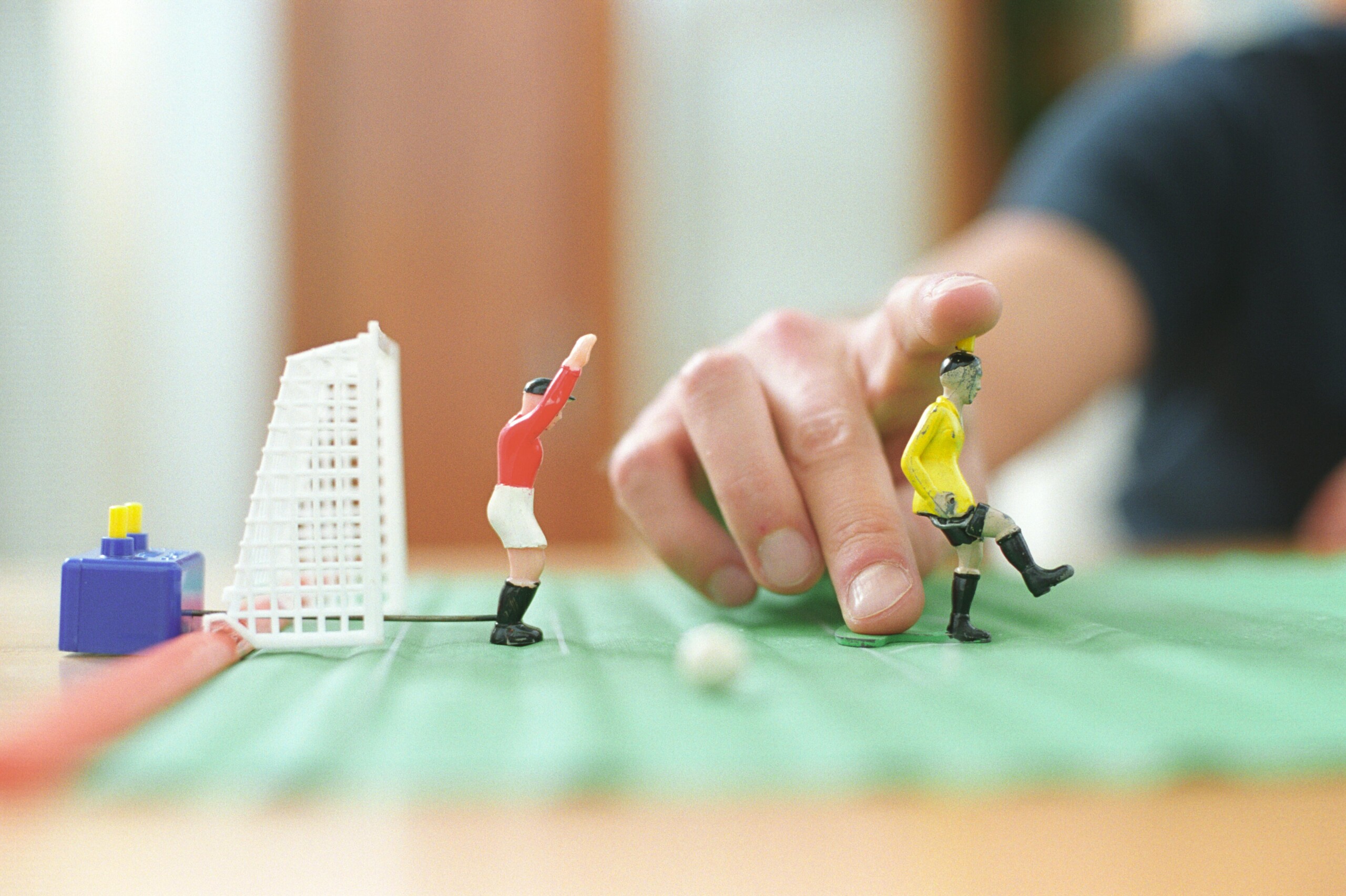
A teenager who goes flat in a consulting room will sometimes stay open for forty-five minutes inside a game. Side-by-side rather than face-to-face. Shared activity rather than directed questioning. The game generates real moments — frustration, failure, cooperation — without anyone having to reconstruct them from a week ago.
Game-based CBT goes further, embedding the cognitive and behavioural content directly into game mechanics. The person is doing the therapeutic work without it registering as therapeutic work. For a lot of adolescents, that’s the only version that gets done.
Using Both
Traditional and non-traditional therapy aren’t always a binary. Effective treatment often moves between them — non-traditional work early, building the relationship and allowing some processing to happen, then shifting toward verbal work once there’s enough safety and capacity to use it. Or primarily talk-based work with creative elements introduced when verbal processing stalls out.
What should drive the decision is whether the person can actually use the approach, not what the clinician defaults to. A therapist who applies talk therapy uniformly because it’s the norm, without asking whether the person in front of them can engage with it, is optimising for the wrong variable.
Figuring Out Which Direction to Go
Children almost always warrant non-traditional approaches until early adolescence — the question is which one, not whether. For neurodivergent teenagers the most useful thing to establish early is which format reduces the social and sensory load enough to make real engagement possible. Getting that right upfront avoids adding another failed attempt to a history that’s already making the young person harder to reach.
For socially anxious adults, whether the session format is activating the very thing it’s trying to treat is worth raising directly in an initial consultation rather than discovering it three sessions in.
Bring an honest account of what hasn’t worked and why. That shapes the recommendation more than anything else. Clinicians offering non-traditional therapy in Melbourne work with children, young people, and adults in-person and online. Get in touch today.
Leave A Comment

Anxiety has a particular quality that makes it hard to treat through conversation alone.

Type “gaming therapy” into a search engine and the results assume you know what
The session before this one didn’t work. That’s usually how parents end up here

The word “affirming” gets used loosely. In neurodivergent-affirming practice it means something specific —